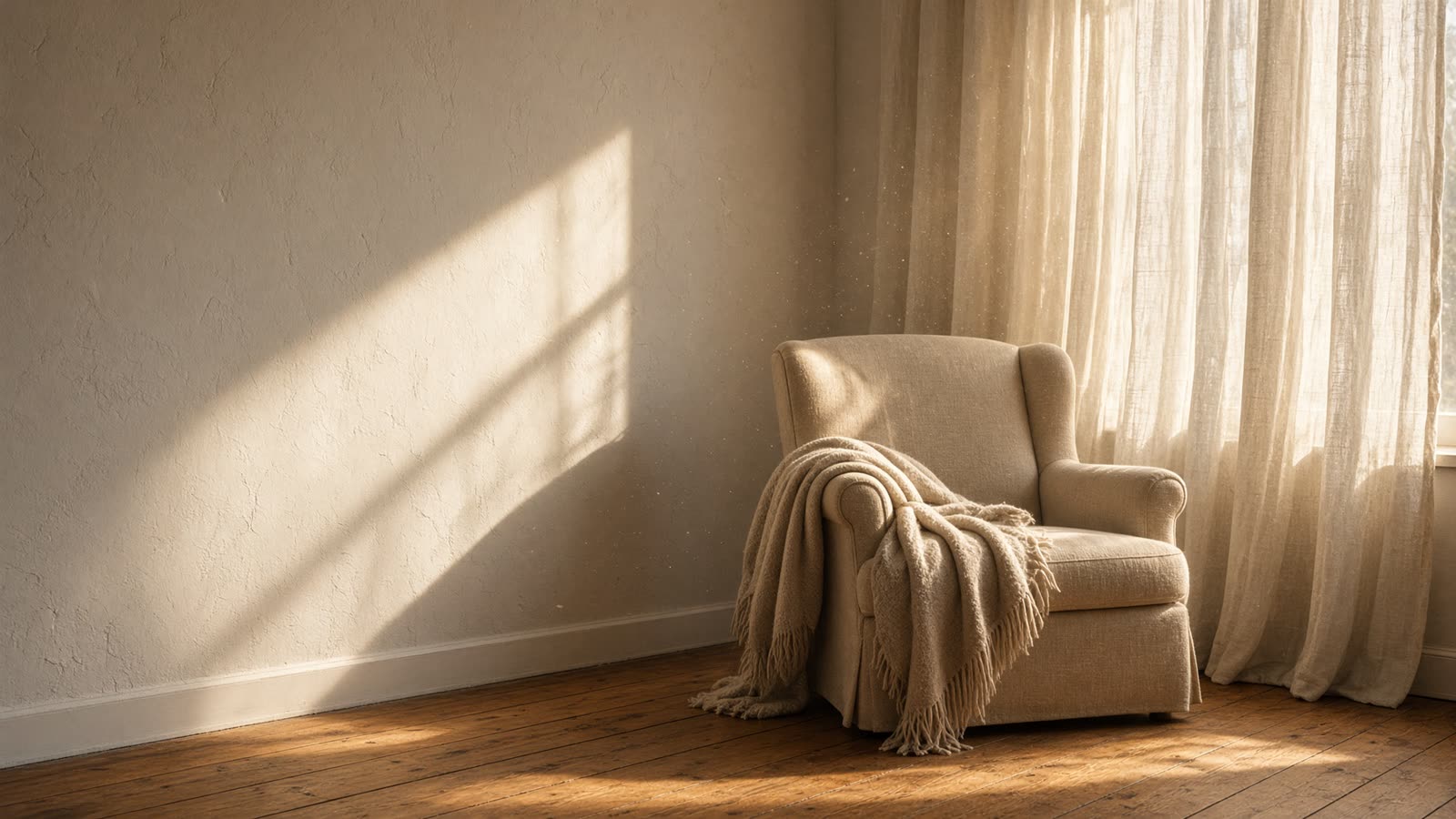
A good afternoon has a shape, even if you refuse to give it a plan. It begins after the last obligatory thing — the email, the errand, the dish that had been watching you from the sink — and it ends when the light changes its mind.
The mistake is to fill it. The afternoon is already full. Dust is moving. A radiator is ticking. Somewhere a neighbor is practicing the same four bars of something they will never perform. If you sit still long enough the room starts to confess these small facts.
I am not arguing for idleness as a lifestyle. I am arguing for a few unclaimed hours the way one argues for a park: not because every park is used well, but because a city without them becomes only a corridor.
Permission
The hardest part is not finding the time. It is believing you are allowed to spend it without producing evidence. No photograph of the book. No list of pages. No story, later, about how restorative it was.
A good afternoon does not have to be beautiful. It has to be unobserved.
The chair by the window is enough. The light through linen is enough. If you need a task, let it be the kind that cannot be finished — looking, mostly, and then looking again when the shadow on the floor has moved.
By five the room is a different room. That is the whole plot.